
Dirty Static // The Verdict
The price and the specs now make a real case against Meta. The narrow phone list and an unproven camera shutoff are the reasons to wait until December 10.
Best forPixel and Galaxy users who live in Google services and want spoken help, a camera and directions without a screen in the lens
What works
- Entry price of 395 dollars undercuts Ray-Ban Meta Gen 3 by 54 dollars while matching its camera and battery claims on paper
- Full spec sheet is now public, with 64 GB of storage, WiFi 6E and a weight near 41 grams
- Gemini brings Maps, Translate in more than 70 languages, Calendar and other Google services into one conversation
- Privacy design goes beyond a light, with face blurring before Gemini processing and a physical off switch
What does not
- Phone support is narrow at launch, with recent Pixel, Galaxy and iPhone models only and some features limited to Android
- Sale is limited to the United States and South Korea, with a Google account from those countries required
- Samsung has not said whether the recording shutoff for a covered light runs through a whole recording
- No independent test of battery, camera or the privacy shutoff exists yet, and the glasses ship on December 10
Research review: based on published testing, specifications, and documentation, not hands on testing.
The fog is gone. When Samsung and Google first showed these glasses in July, there was no price, no weight and no camera figure from Samsung itself. On November 12 the companies opened preorders, published the spec sheet and named the dates. Warby Parker frames start at 395 dollars. Gentle Monster frames run from 449 to 489 dollars. General sale starts on December 10 in the United States and South Korea.
That changes the question. In our earlier Samsung Intelligent Eyewear review, the verdict had to wait for November 12. Now the price sits 54 dollars below Ray-Ban Meta Gen 3, the specs match Meta on the main numbers, and the catches have moved. They sit in the phone list, in the launch map and in one privacy detail that no outside lab has tested yet. Facts checked November 17, 2026.
What It Is
Samsung calls the line Intelligent Eyewear. Most buyers will call them Gemini glasses, and that name tells the truth about the product. Samsung built the hardware. Google supplies Android XR and Gemini. Warby Parker and Gentle Monster designed the frames. Qualcomm supplies the chip.
There is no display in either lens. A camera sees what you see. Microphones hear what you ask. Speakers in the frame speak the answer back, and your phone does much of the heavy work. You wake Gemini with your voice or a tap on the frame, then ask about a sign, a menu, a route or a poster in front of you.
Google splits this category in two, and this launch is only the audio half. A version with a display is still on the roadmap, with no date given. Anyone who wants words or arrows inside the lens should not buy this pair and hope for an update.
Features and Specifications
The spec sheet is the biggest change since July. Samsung now publishes the camera, the weight, the memory and the wireless figures that leaks used to carry alone. Both collections share the same hardware and software, per Samsung. The price gap buys frame design, nothing else.
Published by Samsung and Google, November 12, 2026
- Product
- Samsung Intelligent Eyewear, sold as Gemini glasses
- Platform
- Android XR, built by Google with Samsung and Qualcomm
- Assistant
- Gemini, plus Bixby on Galaxy phones
- Chip
- Qualcomm Snapdragon AR1 Gen 1
- Display
- None; answers come through open ear speakers
- Camera
- 12 megapixel, with 3K video at 30 frames per second
- Microphones
- Four
- Memory and storage
- 2 GB of memory, 64 GB of storage
- Battery
- Up to nine hours on one charge, per the makers; up to 72 hours in total with the case
- Wireless
- WiFi 6E, Bluetooth 5.4
- Water resistance
- IPX4
- Weight
- About 41 grams, from 39.6 to 43.9 grams by frame
- Frames
- Warby Parker, three designs in 14 variations; Gentle Monster, six designs in 16 variations; 30 in total
- Price
- Warby Parker from 395 dollars; Gentle Monster 449 to 489 dollars
- Sale date
- December 10, 2026, in the United States and South Korea
Warby Parker names its three designs Alden, Reid and Wren, in Pine, Saddle and Jet Black, in optical and sun versions. Gentle Monster offers six bolder designs, in colours that include dark red, pink, grey and yellow. Prescription lenses are available for most frames and can raise the final price above the starting figures.
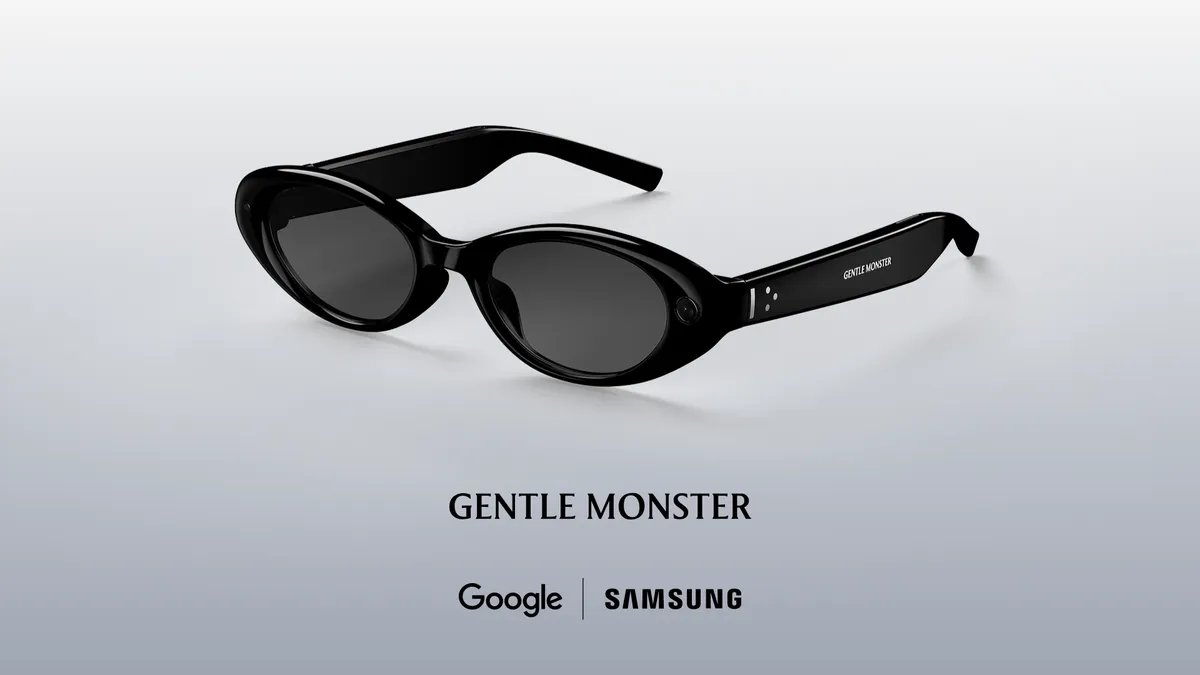
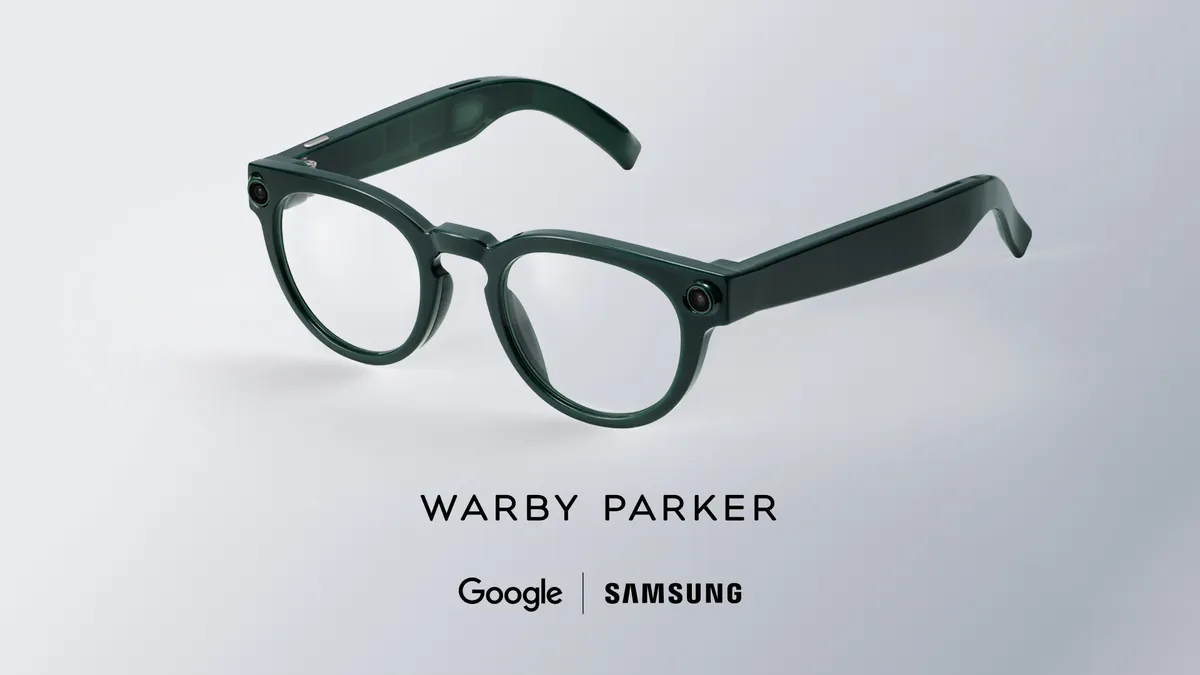
What Gemini is confirmed to do covers the tasks this category keeps promising, and the list leans hard on Google services:
- Spoken directions from Google Maps, with stops added on request
- Live speech translation in more than 70 languages through Google Translate
- Answers about what the camera sees, from a mural to a menu to a sign
- Checks against your Calendar, and items added to a shopping list by voice
- Calls, messages read aloud, and music from services that include YouTube Music, Spotify and Apple Music
- Guided Vision, spoken scene descriptions for people who are blind or have low vision, and a link to Aira, a human visual interpreter service
That last pair comes with a limit that matters. Guided Vision, Aira and Audible work only with a compatible Android phone at launch, per Google fine print reported in launch coverage. iPhone buyers get the glasses, but not the full feature list.
Real World Experience
This is a research review. Dirty Static has not worn these glasses, and no buyer has received a pair yet. Sale starts December 10, and no independent lab has published a test of battery life, camera quality or all day comfort. What follows draws on the Samsung spec sheet, the Google launch posts and launch coverage checked on November 17, and it keeps maker claims labelled as claims.
On paper, the experience should feel familiar to anyone who has used Ray-Ban Meta. You speak, the assistant answers in your ear, and your eyes stay on the street. That shape has a real virtue. A spoken answer ends when it ends. It does not leave a screen glowing in your lens while you cross a road or talk to a person in front of you.
The phone rules shape the experience more than the chip does. Samsung lists Galaxy S, S FE, Z Fold, Z Flip and Fold Ultra phones running One UI 9.0 or later. Google lists Pixel 7 and newer phones on Android 17 with the September 2026 update or later. For Apple, the rule is an iPhone with at least 6 GB of memory on iOS 26.6 or later, which Google describes as iPhone 13 Pro and above. Every other Android phone is out at launch, including OnePlus, Motorola and Galaxy A models. Ray-Ban Meta, by contrast, needs Android 10 or iOS 14.4 or later, which covers almost any phone still in use.
There are two more gates. Buyers need a Google account set to the United States or South Korea, and they must verify that they are 18 or older to activate the glasses and download apps. Samsung and Google have not named the method for that check or the vendor that runs it in the coverage checked for this review. That gap matters, because age checks can collect identity data, and past breaches at verification vendors have exposed ID images. A buyer is entitled to ask what the check collects before they activate a camera they wear on their face.
What Works
The price works. At 395 dollars, the Warby Parker pair sits 54 dollars below Ray-Ban Meta Gen 3 at 449 dollars and only 16 dollars above Ray-Ban Meta Gen 2 at 379 dollars. For that money the published sheet gives a 12 megapixel camera with 3K video, a battery claim that matches Gen 3, and double the storage at 64 GB against 32 GB. The Gentle Monster upcharge is harder to defend, since the tech inside is identical. Pay it only if you love the frame.
Starting prices, US dollars
Maker list prices checked November 15 to 17, 2026. Ray-Ban Meta Gen 2 at 379 dollars, Gemini glasses at 395 dollars, Ray-Ban Meta Gen 3 at 449 dollars, Meta Ray-Ban Display at 799 dollars.
The weight works too, if the sheet is honest. At about 41 grams, these frames weigh less than the 51.5 to 54.5 grams listed for Ray-Ban Meta Gen 3. Glasses live on a face for hours. Ten grams is not a marketing line there, it is the difference between a product you forget and a product you take off by lunch. Only wear tests after December 10 can confirm the comfort claim, and the fit will still vary by face and by frame.
The privacy design, on paper, goes further than a light alone. Google says images that Gemini looks at are not saved in Gemini History and are not used to train models or target ads. The glasses are designed to blur faces of bystanders before Gemini processes an image. There is a wear sensor that turns the camera off when you take the glasses off, a physical off switch, and data encryption on the glasses and in transit. Google also says owners must agree not to record people without permission or in sensitive places, and that breaking that rule can lead to the glasses being disabled. Play rules ban apps that use the camera for live facial identification or social live streaming.
When technology can see the world around you, it has a responsibility to the people around you, too.
That line is from Shahram Izadi, who runs XR work at Google, in the launch privacy post. It is a good line. The test is whether the hardware keeps the promise in the street, which brings us to what does not work yet.
What Does Not
The camera light question is still open. Samsung lists an outer LED and an inner LED that show when recording is active, wear detection that stops recording when the glasses are removed, and tamper detection that stops recording if the outer light is blocked. What Samsung has not said, in the material published so far, is whether that check runs through a whole recording or only at the start.
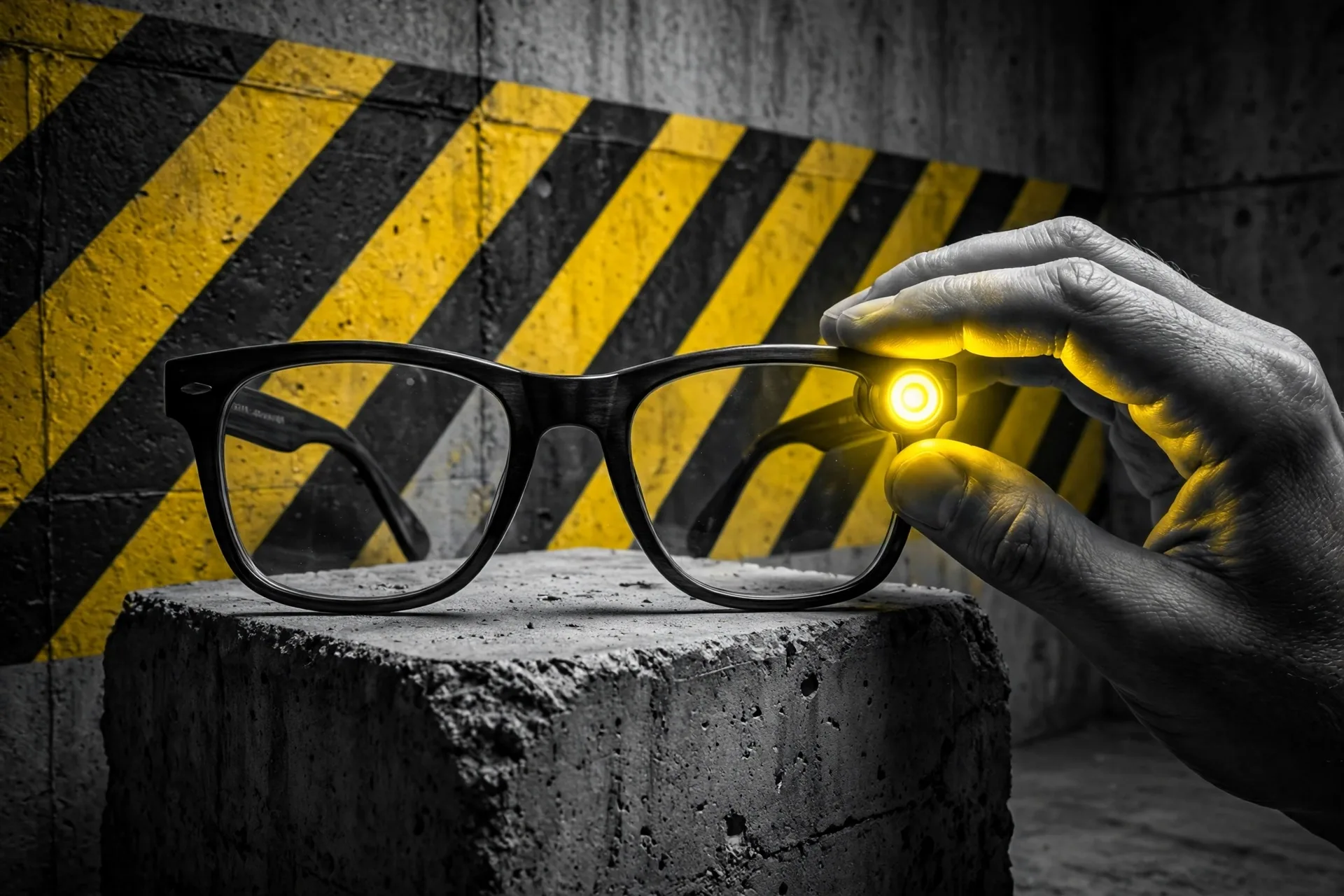
That detail has a history. Meta glasses once checked the light only at the start of a recording, so a wearer could start filming, cover the light and keep recording. Meta said a fix was rolling out on August 27, and testing firm IPVM later reported that the new firmware checks for blockage through a recording. Regulators have pushed on the same point. A Hamburg data protection report on September 10 found the Meta light hard to see outdoors, and on October 13 the European Data Protection Board adopted a statement saying recording should not be possible when the indicator is covered. Samsung wording matches that target on paper. No outside lab has tested the Samsung version yet, and buyers cannot confirm from the launch material whether the shutoff covers live Gemini analysis as well as photos and video.
The launch map is the second weakness. Two countries at launch is a small start for a platform product, and no date or price has been given for Canada, the United Kingdom, Europe or Australia. Meta sells Gen 3 now across the United States, Canada, the United Kingdom, Australia and much of Europe. Omdia data reported by The Next Web puts Meta at 3.4 million units and an 81.3 percent share of global AI glasses shipments in the first half of 2026. Google is not chasing a niche rival. It is chasing a market leader from a two country launch.
Competition
On the main numbers this is a close fight, and the table shows where each pair wins. Storage and wireless go to Google. Microphones, phone support and availability go to Meta. Camera resolution, video, battery claim and water resistance tie.
| Glasses | Price | Display | Assistant | Key figures |
|---|---|---|---|---|
| Gemini glasses, Warby Parker | From $395 | None | Gemini, plus Bixby on Galaxy | 12 MP, 3K video, up to 9 hours claimed, 64 GB, about 41 g |
| Gemini glasses, Gentle Monster | $449 to $489 | None | Gemini, plus Bixby on Galaxy | Same hardware as Warby Parker, six designs |
| Ray-Ban Meta Gen 3 | From $449 | None | Meta AI | 12 MP, 3K video, up to 9 hours claimed, 32 GB, six microphones |
| Ray-Ban Meta Gen 2 | From $379 | None | Meta AI | 12 MP, 3K video, up to 8 hours claimed |
| Meta Ray-Ban Display | From $799 | Colour display in one lens | Meta AI | Up to 6 hours claimed, screen in the lens |
| Brilliant Labs Halo | $399 | Colour display in one eye | Noa | Up to 14 hours claimed, open code |
The app split may decide more buyers than the spec split. Gemini leans on Maps, Translate, Calendar and other Google services. Meta AI leans on Instagram, Messenger and WhatsApp, plus music services. If your group chats live in WhatsApp, Meta holds a real advantage that no storage figure erases. If your day runs on Google Maps and Calendar, the Gemini pair plugs into the tools you already open. Our Brilliant Labs Halo review covers the open, screen first alternative at a similar price.
Final Verdict
Preorder the Warby Parker pair at 395 dollars if your phone is on the list, your day runs on Google services, and you accept that battery and camera claims are still maker claims until December 10. It is the strongest paper challenge to Meta yet: cheaper than Gen 3, lighter on the published sheet, with double the storage and a privacy design that at least names the right problems.
Wait if you use an iPhone and want Guided Vision or Aira, if your Android phone is outside the Pixel and Galaxy lists, or if you want an outside test of the camera light shutoff before you wear a camera in public. Those are not small caveats. They are the product, for the people they affect.
Skip the Gentle Monster upcharge unless the frame itself is the reason you are buying. The tech is the same, and at 489 dollars the top Gentle Monster model costs 40 dollars more than the Meta pair it was meant to undercut. The story of this launch is a 395 dollar pair of glasses with no screen that finally has a price, a spec sheet and a date. Whether it has a shutoff that holds in the street is the answer December should bring.
Sources
- Google: Intelligent eyewear with Gemini is coming this fall, and Google launch and privacy posts of November 12, 2026, as reported in launch coverage
- Samsung Newsroom: Samsung Brings Galaxy Ecosystem Into Everyday Eyewear, and Samsung Intelligent Eyewear pricing and spec material of November 12, 2026
- TechTimes: Samsung Smart Glasses Preorders Open From $395: Camera Shutoff for Covered LED Unproven, November 13, 2026
- Skimwire: Gemini Glasses vs Ray-Ban Meta Gen 3: Which to Buy, November 15, 2026
- Talk Android: Samsung Intelligent Eyewear preorder and price breakdown, November 12, 2026, via TechTimes and other launch coverage
- Madrobot: Google Gemini glasses from $395: Warby Parker, Gentle Monster, November 12, 2026
- Meta and Ray-Ban: Ray-Ban Meta Gen 3, Gen 2 and Display product and store material, prices checked November 15 to 17, 2026
- Images: Hero and LED illustrations are generated Dirty Static house style images. Body images are official Google product images of the Gentle Monster and Warby Parker designs, via the Google Android XR post, first published with our November 7 review.
END OF TRANSMISSION
Stay curious. Question everything.