Brilliant Labs launched Halo on October 27 at $399, a hundred dollars above the preorder price set in 2025. This research review weighs the open source hardware, the Noa memory system, the subscription tiers, and the first published testing to decide who should buy the most inspectable smartglasses on sale.
Dirty Static // The Verdict
The most open smartglasses you can buy, priced and polished like a work in progress.
Best forDevelopers, tinkerers, and privacy minded buyers who want a wearable they can inspect
What works
- Fully open source hardware and software, with schematics and firmware public on GitHub
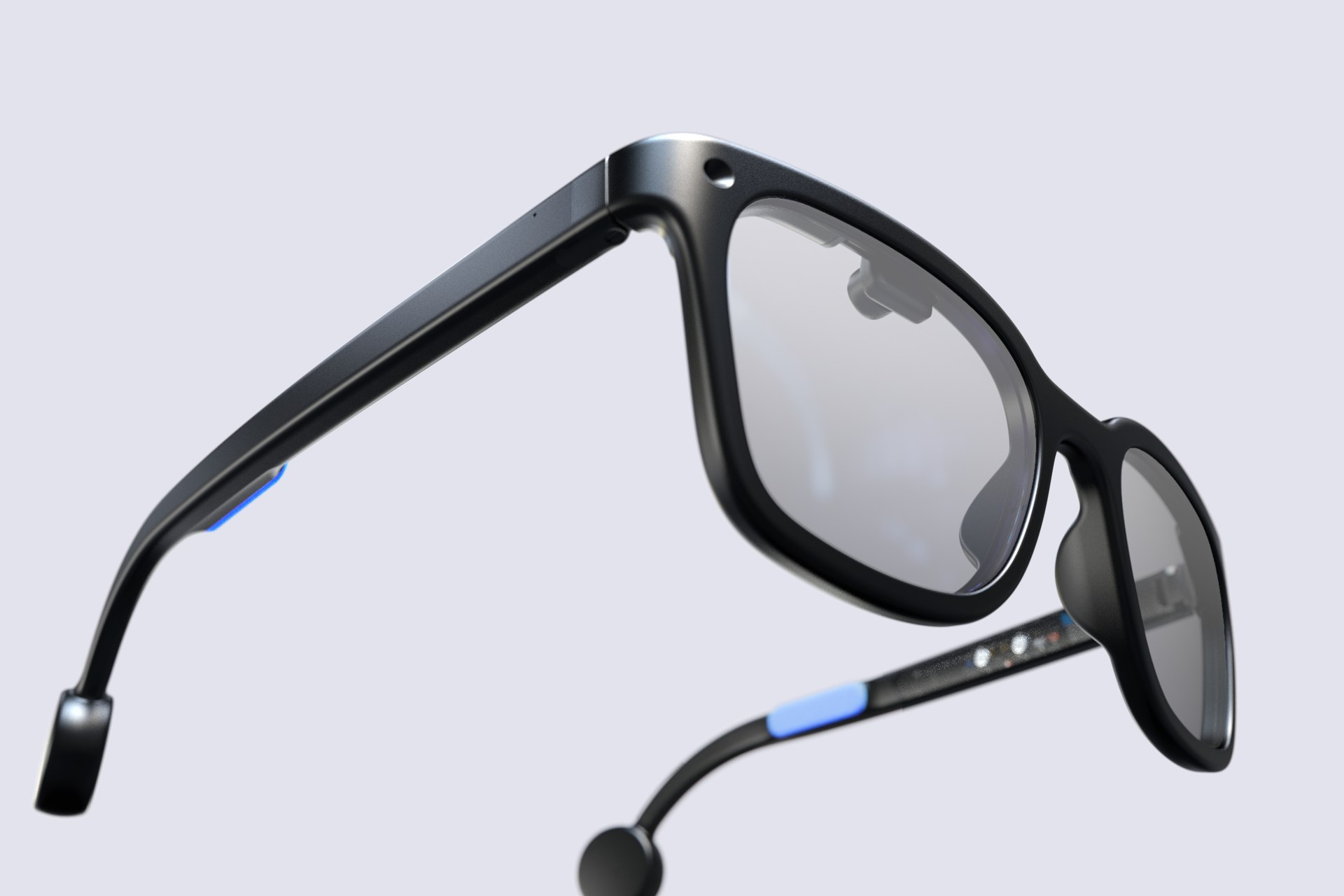
- Just over 40 grams with a claimed 14 hours of battery life, light enough to wear all day
- Noa memory carries context between conversations instead of resetting every time
- The display optic adjusts from +2 to -6 diopters, and prescription lenses swap in without touching the display
What does not
- Launch price is $399, up from the $299 preorder, and the strongest Noa tiers cost extra every month
- Early published testing found a display lens that can work loose in the box
- No camera for photos or video you would share: the sensor feeds AI context only
- The privacy story splits between local processing and transcripts stored in the cloud
Research review: based on published testing, specifications, and documentation, not hands on testing.
Halo took the long road to this launch. Brilliant Labs announced the glasses in July 2025 at a $299 preorder price, promised shipping before the winter holidays that year, then missed target after target through 2026 as supply chain problems bit. On October 27 the company finally shipped in batches, backed by new funding from Goodwater Capital, and the price had climbed to $399. That history matters, because Halo asks for trust twice: once with your money, and once with a memory of your life.
What It Is
Halo is a pair of smartglasses built around Noa, a conversational AI companion with a memory that persists. Where a normal assistant resets between chats, Noa is designed to carry context forward: names, preferences, places, and the thread of earlier conversations. Brilliant Labs groups the experience under three verbs. Ask covers conversation and questions about what you see and hear. Make covers miniapps built by voice, shared through a community app store. Play covers Narrative, an adaptive game that turns your movements and discoveries in the real world into an ongoing game with characters who remember you.
The company calls Halo the only fully open source AI glasses on sale, and that claim is the product. Hardware schematics, design files, and firmware sit in public on GitHub, and the firmware runs on Zephyr RTOS with a Lua runtime for apps built on the device itself. Vision work leans on Liquid AI and its LFM2-VL-450M vision language model, a small model built to describe scenes on device class hardware with low latency. If Meta sells glasses as a finished appliance, Brilliant Labs sells Halo as a platform you are allowed to open.
We’re differentiated because we’re open source, and that’s not something that every company can or is willing to do.
Features and Specifications
| Part | Halo specification |
|---|---|
| Display | 0.2 inch color microOLED, 640 x 400, about a 20 degree field of view, right eye |
| Processor | Alif Balletto B1, Arm Cortex-M55 CPU with an Ethos-U55 NPU |
| Vision sensor | 640 by 480 color global shutter sensor for AI context, not for photography |
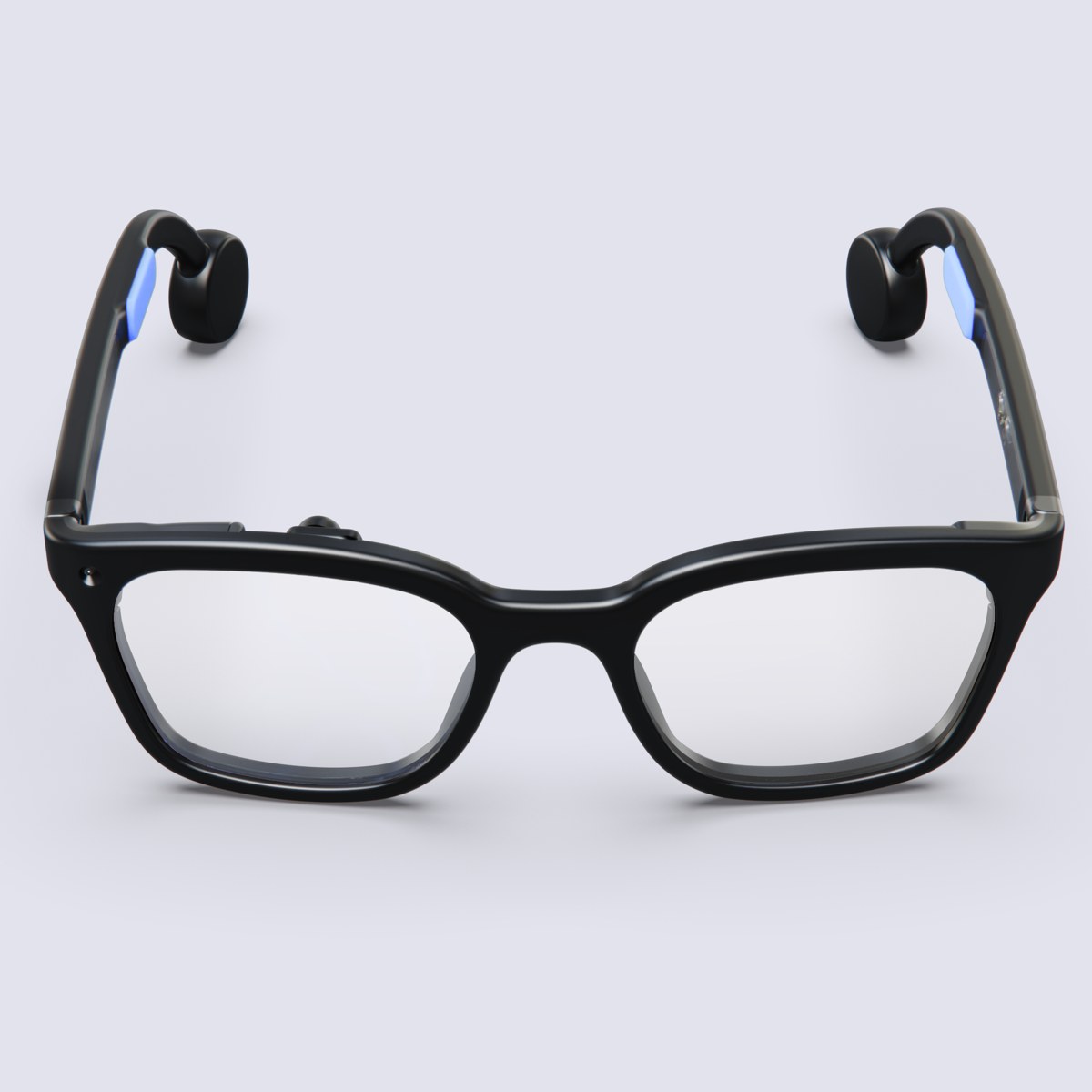
| Audio | Dual microphones, dual bone conduction speakers |
| Battery | Up to 14 hours claimed by the maker; 276 mAh cell, USB C charging dock |
| Weight | Just over 40 grams |
| Connectivity | Bluetooth 5.3 |
| Fit | IPD range 58 to 72 mm; display optic adjusts from +2 to -6 diopters |
| Lenses | Plain lenses fitted; prescription options through SmartBuyGlasses |
| Software | Noa assistant, voice built miniapps, Narrative game, open source firmware |
| Price | $399 in matte black, shipping now |
Two design choices stand out from the spec sheet. The first is the sensor: at 640 by 480 it captures enough for an AI model to describe a scene, and nowhere near enough for a photo you would post. That is deliberate. The second is the display optic, a small module that sits apart from the lens itself, which is why prescription lenses can swap in without disturbing the screen and why the focus dial covers such a wide range.
Real World Experience
This is a research review, built from the launch documentation and the first published testing rather than our own time with the hardware. Two outlets have now lived with Halo ahead of launch, and their reports agree on the shape of the experience. Setup runs through the Noa app on iPhone or Android: charge the glasses, press the button, pair, and build a small pixel art avatar that anchors the game layer. The Deep View, after more than a week of wear, found the onboarding playful to a degree that sits oddly, in a good way, next to such technical hardware.
The memory system is the part testers kept returning to. Noa listens and watches through the day, turns conversations into searchable summaries, and answers questions against that record later. GamesBeat watched a wearer with a family member in the early stages of dementia see the appeal at once: a record you can query when recall fails. Tavangar was careful in the same interview to say the glasses are not a medical device and are not marketed as one, and that caution belongs in any honest account of the feature.
Narrative, the flagship game, drew a cooler response. GamesBeat found the pixel characters and the real world map fun at first, then short on reasons to return once the novelty thinned. Multiplayer and player versus player modes sit on the roadmap, held back, the company says, until enough wearers are active to make them work. A game that needs a crowd is a promise, not a feature, on launch day.
What Works
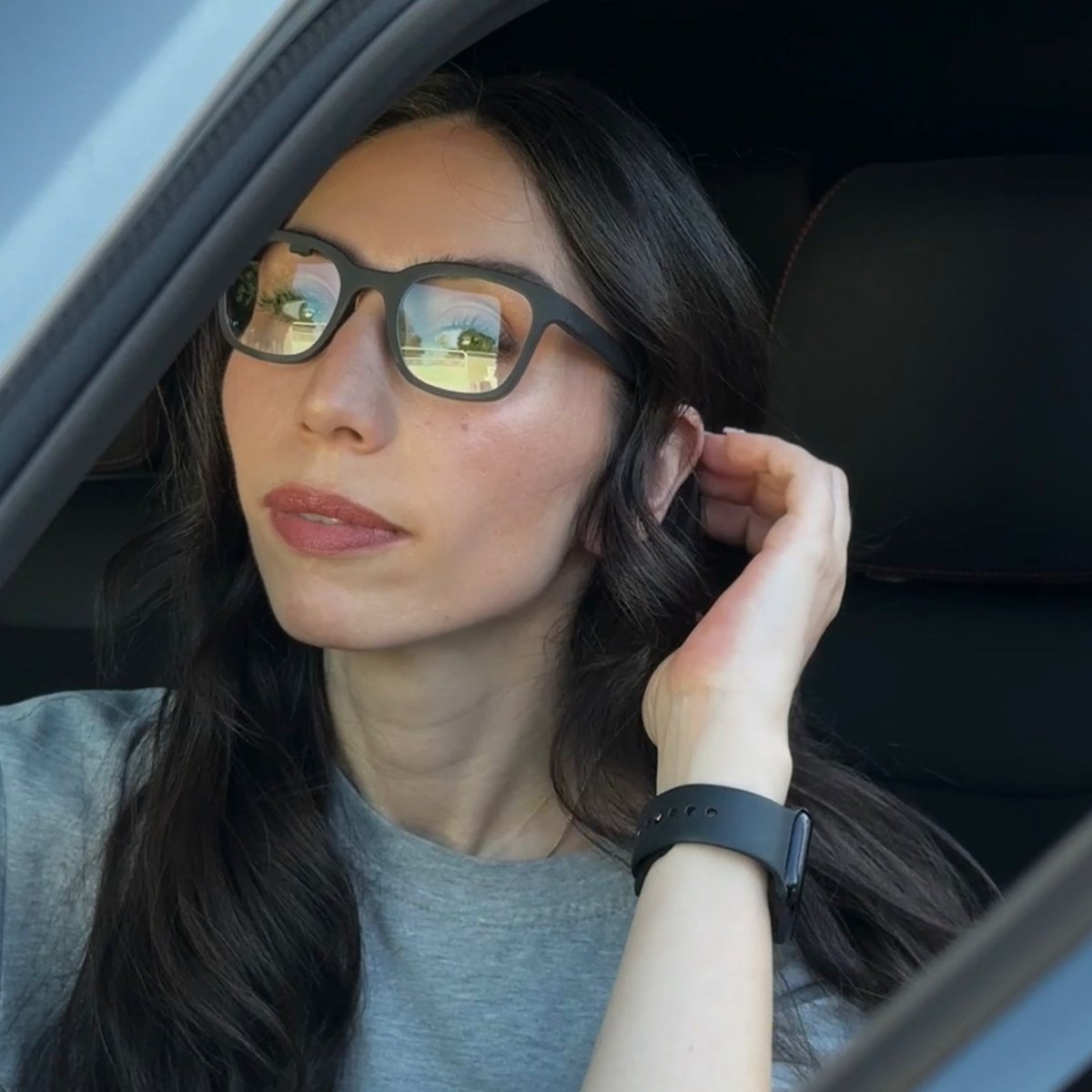
The weight and the battery claim are the foundation, and both check out against the segment. At just over 40 grams Halo sits well below the roughly 50 grams of camera glasses from Meta, and the claimed 14 hours doubles what display glasses usually manage. Bone conduction audio keeps your ears open, the display lives in your peripheral vision rather than your face, and the whole thing reads as ordinary eyewear in photos of real wearers.
Openness is the second strength, and it is structural rather than cosmetic. Published schematics and firmware mean security researchers can check the privacy claims instead of trusting a press release, and developers can build below the app layer with the SDK, the Flutter tooling for phones, and Lua on the glasses. An enterprise option lets organisations plug in their own agents, and the company reports early use across tech, medical, agriculture, manufacturing, and aerospace settings. Treat that list as a company claim, but the door it describes is real, and no rival leaves it open.
What Does Not
Start with the money, because Halo asks twice. The glasses cost $399, up a full hundred from the preorder price early buyers were quoted in 2025. Then Noa splits into tiers. Standard comes free with caps of 25 conversations a day and a small daily allowance of memory conversations. Noa Plus costs $9.99 a month. Noa Pro costs $39.99 a month, which adds $480 a year to a $399 pair of glasses. The memory that sells the product is rationed on the free tier, and that changes the maths for anyone who plans to live in these all day.
Hardware polish is the other open question. GamesBeat opened its review unit to find the tiny display lens loose in the box, rattling free. The manual notes the lens can come away while you adjust focus, and the company says replacement lenses will go on sale, but a part that small and that easy to lose is a flaw a $399 product should not ship with. Add a field of view of about 20 degrees, closer to a glanceable badge than a screen, and buyers expecting augmented reality will feel misled by the category rather than the product. Halo never promised immersion. It still has to survive the comparison shoppers will make.
Competition
| Glasses | Price | Display | Camera | Weight | Battery claim |
|---|---|---|---|---|---|
| Brilliant Labs Halo | $399 | Color, 640 x 400, right eye | AI sensor only | Just over 40 g | Up to 14 hours |
| Ray-Ban Meta Gen 2 | $379 | None | 12 MP, 3K video | About 50 g | Up to 8 hours |
| Meta Ray-Ban Display | $799 | Color, 600 x 600, right eye | 12 MP, 3K video | About 69 g | Up to 6 hours |
| Even Realities G2 | $599 | Green text, both eyes | None | About 36 g | Varies by listing |
Price in USD, launch or list
Halo undercuts every display rival and lands near Meta camera glasses that have no screen at all.
The table shows the split in this market. Meta sells capture: cameras, speakers, social video, and on the Display model a bright screen and a wrist band for input at twice the Halo price. Even Realities sells discretion: green text in both eyes, no camera, no speakers. Halo sells control: a color display, a memory, and code you can read, at the price of Meta glasses with no display. If you want to record your life for other people, buy the Ray-Bans. If you want a record of your life for yourself, on hardware you can audit, Halo is currently the only entry in that column.
Final Verdict
Buy Halo if you are the person this was built for: a developer, a tinkerer, or a buyer who wants an AI wearable whose claims can be inspected rather than trusted. The hardware fundamentals, weight, battery claim, display, and bone conduction audio, are sound, the memory concept is the most interesting idea in smartglasses right now, and $399 undercuts every rival with a screen. Wait if you want a finished consumer product. The price rose on the way to launch, the best of Noa sits behind a subscription, the game needs a crowd that does not exist yet, and the loose lens in early testing is exactly the kind of detail a second production run exists to fix. Halo is the most honest pair of smartglasses on sale. Honest, here, cuts both ways.
Research review based on the Brilliant Labs launch release and product page, the company hardware documentation and firmware repositories, the Brilliant Labs privacy policy, and published testing from GamesBeat and The Deep View, checked October 2026. Product images: Brilliant Labs, via the official Halo product page.
END OF TRANSMISSION
Stay curious. Question everything.