
Every AI chat now ends the same way. The agent builds the page, the game or the small app you asked for, and then the work stalls at the same dull question: where does this thing live? Automattic answered that question today with Spacefast, a new company and platform that takes what your AI makes and puts it online, with the database, the link and the version history handled for you.
Spacefast launched on November 9, 2026, after a soft launch in September, per Automattic and TechCrunch. The important detail is what it refuses to be. Spacefast is not an AI builder. It writes no code and offers no chat box of its own. You keep building in the AI you already pay for, and Spacefast gives that agent the groundwork, the tools and the address.
Spacefast
Official siteA deployment and hosting platform for apps, sites and decks that AI agents build. Primary use case: getting a project out of a chat window and onto a live, private by default link, with a database and rollback, without opening a second builder or wiring up a host by hand.
Key features: an MCP server that works with more than 20 agents, per the maker; a database in every Space; file uploads; traffic stats with no tracker to add; comments left right on the page that your agent can turn into fixes; a version saved on every publish, with rollback in seconds; custom domains even on the free plan; and manual routes through drag and drop, git and a command line tool. Limitations: app authentication, transactional email and shared team knowledge are listed by Automattic as arriving in the coming weeks rather than live today; unclaimed spaces expire fast unless you claim them; and apps built on Spacefast runtimes need code changes to move to another host.
What it is, and who built it
Spacefast is an Automattic company, built by the team behind WordPress.com and WordPress VIP, per the launch release. It runs on WordPress.com infrastructure, which Automattic says handles more than 15 billion page views a month. That figure is a company claim, and it is also the whole pitch in one line: the plumbing already exists, so the new product only has to solve the publishing step.
The founder and CEO is Batuhan İçöz, who joined Automattic through its acquisition of Texts. He built the first version of Spacefast on his own during Radical Speed Month, an internal block of time for single projects, per the release. TechCrunch reports the project started under the name Stattic during a hackathon sprint earlier in the year, after İçöz kept getting Vercel links from friends who were trying vibe coding with no technical background.
His diagnosis, given to TechCrunch, is worth quoting because it frames the product:
“I thought there had to be a better way for everyone to set up and deploy their projects. Automattic already has good infrastructure, but we have been traditionally associated with just WordPress.”
Colleagues joined, friends tested it, and Automattic turned the project into its own company. A soft launch followed in September 2026 to gather feedback, per TechCrunch, and the public launch landed today.
How publishing works
There are four doors into the same building. The front door is your AI. Spacefast ships an MCP server, and MCP, the Model Context Protocol, is the open standard that lets an AI app call outside tools. Spacefast is listed as an official plugin on Claude, ChatGPT and Grok Bot, per Automattic, and its MCP page says it works with more than 20 agents, including Claude Code, Cursor, Codex, VS Code, Gemini CLI, Zed, Devin and Warp.

The flow is short enough to write on a sticky note. Connect the agent once, with the address mcp.spacefast.com or a single command. Ask for the thing you want built. Say put it on Spacefast. The agent sends the files, waits for the build, and hands you a live link in the chat. Ask for changes the same way and the same link updates.
The other doors are for people who would rather drive. Drop a folder or a zip file onto drop.fast and the project goes live with no terminal and no account. Connect a repo at git.spacefast.com and pushes to the main branch go live while other branches get preview links. Or run one command from a terminal through the CLI, with rollback, sharing and domains scriptable, per the product site.
Safety rails sit under all four doors. You sign in with OAuth, so your AI app never holds a Spacefast API token in a chat log. You pick read only access or agent access when you connect. New publishes go straight through, while actions that could change a live site, such as publishing over it, rolling back, buying a domain or changing DNS, wait for your OK. Deleting sites, managing team members and changing billing stay out of agent reach entirely, per the MCP documentation.
What every Space gets
Each project lives in its own Space, with an address in the shape of a name on the space.fast domain from the first publish. Spaces are private by default. The address alone does not open the door. You invite people, mint a share link, add a password, or make the Space public when you are ready, and search indexing is a separate setting.
Under the address sits the kit that vibe coded projects usually lack:
| Included in every Space | What it does |
|---|---|
| Database | A MySQL compatible database in every Space, for sign up lists, scores, orders or anything the app must remember |
| File uploads | Visitors can upload photos, documents and video, stored inside the Space |
| Traffic stats | Views, visitors and top pages across 48 hours, 7, 30 or 90 days, with no tracker to add |
| Version history | Every publish saves a version with its own fixed link; rollback rebuilds nothing and takes seconds |
| Comments on the page | People comment on the exact part of the page they mean; you or your agent answers and fixes |
| Custom domains | Bring your own domain on every plan, including Free |
The supported shapes are wider than a static page. The site lists static HTML, presentations and games, plus apps built through the supported Next.js, Astro and TanStack Start paths, with PHP named on the homepage and Vite named in the launch release. Runtime features depend on the path you publish through, and the maker tells you to check the framework guides before your agent starts. Read that as the honest limit of the launch: simple things publish simply, and full stack apps follow the documented routes.
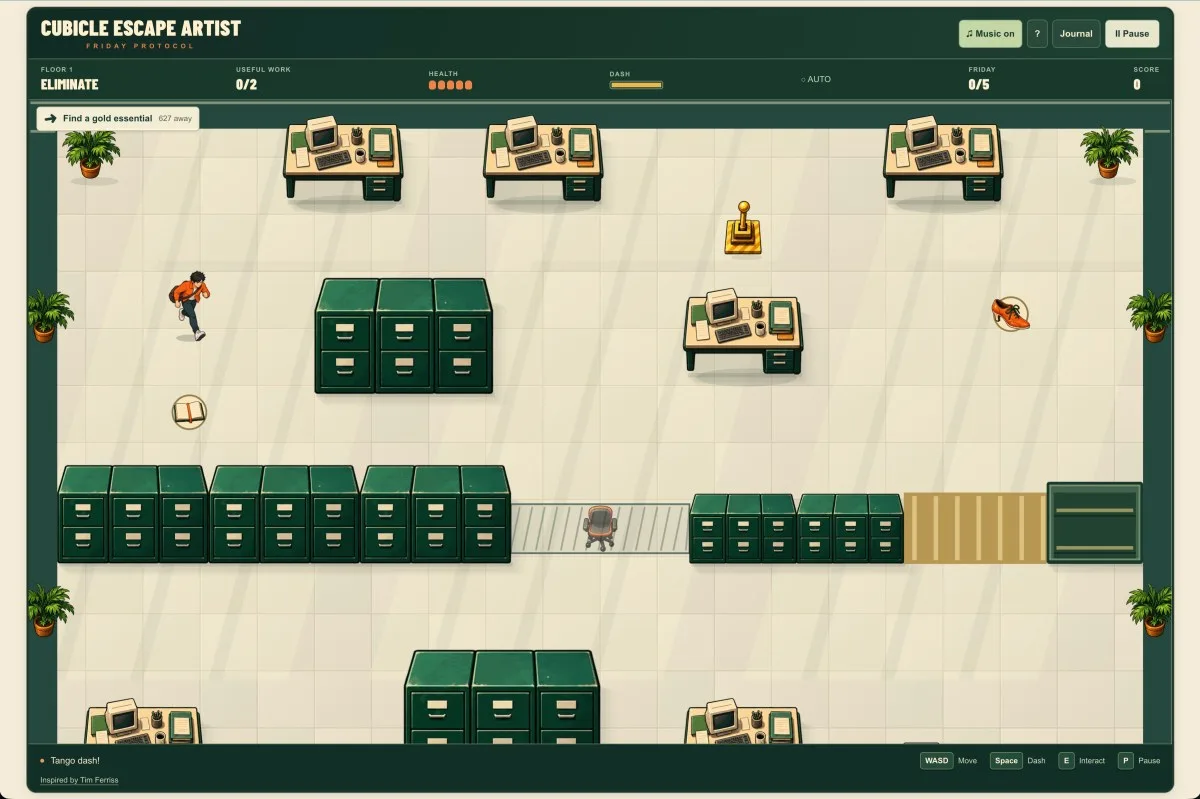
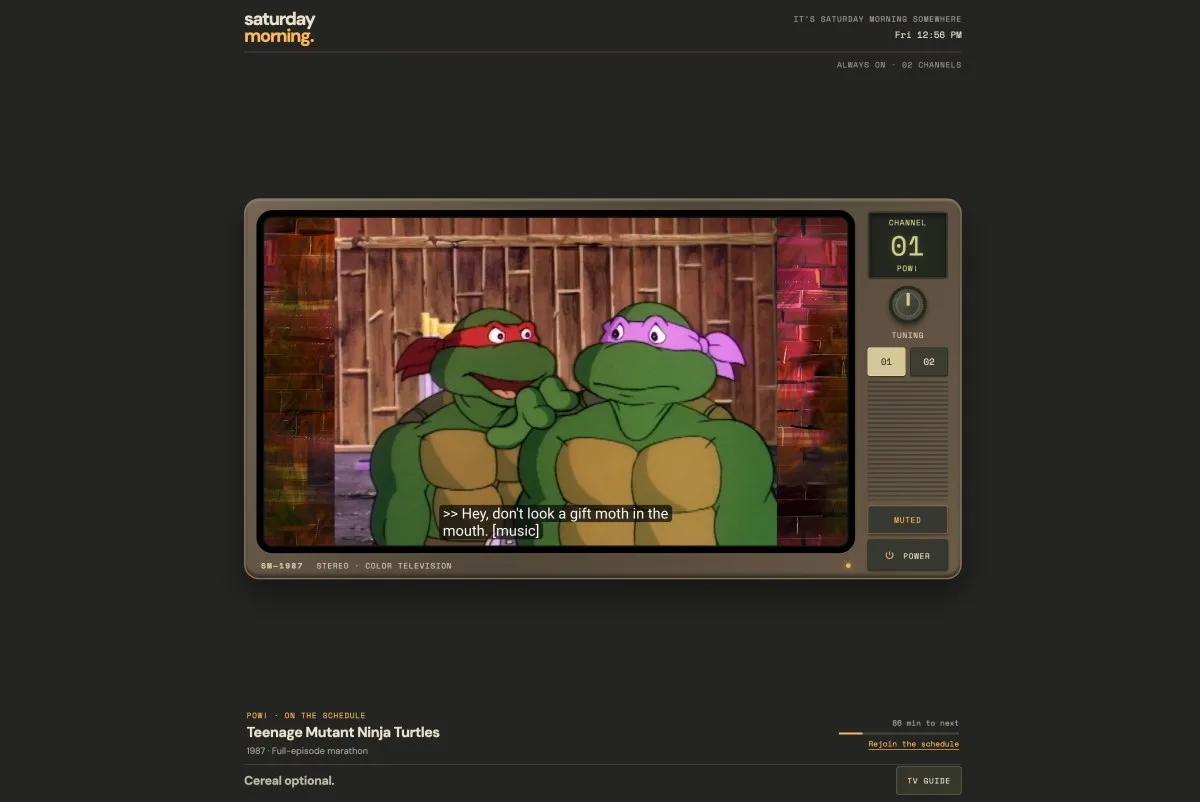
What it costs
The free plan is the headline. It costs nothing, needs no card, and the first publish needs no account at all. Automattic says personal plans include $1 a month of usage on the free tier. Prices below are from the Spacefast site, checked November 9, 2026.
Spacefast plans, price per month in USD
List prices from spacefast.com, checked November 9, 2026. The free plan needs no card and includes $1 a month of usage, per Automattic.
| Plan | Price | Spaces | Usage credit | Team and extras |
|---|---|---|---|---|
| Free | $0 | 20 spaces | $1 a month, per Automattic | Custom domains, database, publish from any agent, private by default with share links and passwords |
| Go | $5 a month | Unlimited | $5 a month | Unlimited custom domains, email support |
| Plus | $15 a month | Unlimited | $15 a month | 10 members included, then $5 a month each, custom page templates, unlimited activity history, priority support |
| Enterprise | Custom | Unlimited | Custom | Single sign on with SAML and SCIM, subteams and audit logs, network policies, contracted uptime SLA, dedicated support, private beta |
Two pricing notes deserve plain words. First, the launch release calls the $15 tier Pro while the product site calls it Plus; the features and price match, so treat them as the same tier wearing two name tags on day one. Second, the free plan is generous in structure, not just in price. Custom domains and a database at $0 is a direct shot at hosts that paywall both.
What Works
- Bring your own AI: no second builder to learn or pay for
- Free plan carries 20 spaces, custom domains and a database
- Four publish routes, from one chat message to git and a CLI
- Private by default, with agent actions gated by approvals
What Does Not
- App authentication, transactional email and team knowledge are still listed as coming in the next few weeks
- Unclaimed spaces expire about 33 hours after the last file changing publish unless claimed
- Apps on Spacefast runtimes need code changes to move host
- Storage and bandwidth limits sit behind the full pricing page, so heavy use needs a check first
Which should you choose
Choose Spacefast if you build inside a chat and stall at the deploy step. That is the exact gap it fills. Your agent keeps the context, Spacefast supplies the expert groundwork, the database and the address, and your team reviews the result on the page itself. For internal mockups, slideshows, small tools and offer pages, the shape TechCrunch reports from the soft launch, this is the lowest friction route that still ends at a real hosted app.
Choose Lovable or Emergent if you want one product to do everything. Those platforms combine the builder and the rails in a single place, per TechCrunch, which suits a user who never wants to pick an agent at all. The trade is lock in of a different kind: you build in their AI, on their terms, and pay for the building as well as the hosting.
Choose Vercel, Netlify or Cloudflare Pages if you already live in a repo. Git based hosts remain the grown up default for code you control, with deep framework support and your own pipeline. Spacefast argues you should not need that machinery for a chat built project, and even offers git as one of its own doors. If your team already has the machinery, the argument is weaker.
Choose Spacefast for the team sprawl problem, maybe. İçöz told TechCrunch that enterprises face IT sprawl, with marketing teams spinning up landing pages on services like Lovable, and want one vendor that understands enterprise needs. Automattic adds that WordPress VIP and Pressable customers face no new vendor to approve, and that Spacefast connects to the site they already run. That is a credible distribution edge. The enterprise tier itself is still marked private beta on the pricing page, so treat the pitch as a direction, not a finished offer.
Final thoughts
The first era of vibe coding sold the magic trick: describe a thing, watch it appear. Spacefast is a bet on the boring second act, the part where the thing needs an address, a database, a password reset and a way back to yesterday version. Boring is where products live or die, and Automattic owns more of that boring plumbing than almost anyone.
The bet has a clear shape. Keep the AI you love, pay only to publish and run what it makes, and let a company that has hosted the web for two decades hold the result. The open questions are the announced features still in transit and whether people keep what they publish once the novelty fades, a churn risk İçöz himself named to TechCrunch. For anyone sitting on a chat full of finished drafts that never became links, the free plan makes the test cheap: connect once, publish once, and see if the second act feels as easy as the first.
Facts checked November 9, 2026. This is a desk guide built from the Automattic launch release, the Spacefast product site and its MCP documentation, and TechCrunch reporting. Company figures, including the page view count for the hosting infrastructure, are labelled as company claims where they appear.
Sources
- Launch announcement, pricing summary, founder background and what is included: Automattic launches Spacefast, a new company that gets apps and websites live in seconds, PR Newswire
- Product features, plans, publish routes and the expiry rule: Spacefast, home for what your AI makes
- MCP connection flow, agent list, permissions and the five publishing tools: Spacefast MCP server
- Reporting on the September soft launch, the Stattic origin, competition and the enterprise sprawl quote: Automattic debuts a platform to deploy vibe coding apps amid a changing internet, TechCrunch
- Gallery images: examples supplied by Spacefast and published by TechCrunch. Hero and control desk images: generated illustrations by Dirty Static, in the house style.
END OF TRANSMISSION
Stay curious. Question everything.