Dirty Static // The Verdict
A careful upgrade that fixes battery, camera and audio while keeping the green display that made the first model useful. Easy to want in China at CNY 3,699. Hard to buy anywhere else until CES 2027, and still unproven until independent testing lands.
Best forBuyers in China who want translation, captions, meeting notes and a glanceable display in normal looking glasses, and global buyers who can wait for CES 2027 pricing
What works
- Bigger battery, faster main chip and a 4K camera improve the parts owners use daily, while the proven green display stays
- Dual chip design splits light work and heavy work by power need, which is the right shape for glasses that must last a day
- Translation in 89 languages, meeting notes and desktop agent support give the display clear jobs beyond alerts
- China price at CNY 3,699 undercuts full color rivals and the global price of the first Rokid Glasses
What does not
- No global price and no global date yet, with world versions promised only for a CES 2027 debut
- Memory stays at 2GB of RAM and 32GB of storage, and Rokid has published no battery life figure in hours for this model
- The display is still one color green at 480 by 380, while the Rokid Color model shows where the company thinks visuals go next
- No independent testing of the shipping model was found in this research, so claims for night video, audio and comfort stay as claims
Research review: based on published testing, specifications, and documentation, not hands on testing.
Three days before this review went up, Rokid Glasses 2 started shipping in China. Anyone who followed the first model will spot what Rokid did here, because the company changed almost everything except the thing people actually praised. The green display stays. Around it there is a faster main chip now, a second chip that handles the light work, a bigger battery, a camera that records in 4K, and speakers with Dolby Audio.
There was a color screen available to put in this product. Rokid built one and launched it the same day, in a different model, at a higher price. Glasses 2 is the one the company describes as the tool in the lineup, which is how founder Zhu Mingming framed it after the launch, and a tool is a fair standard to judge it by. So that is the standard this review uses. Facts checked November 14, 2026.
What It Is
Rokid is based in Hangzhou and makes AI glasses with a small display set into the lens. You wear them the way you would wear ordinary glasses, and text appears in your view: translation while someone is talking to you, captions, short prompts, notes. A camera and microphones round it out, so the glasses can hear a question and take a rough stab at describing whatever you happen to be looking at.
The first Rokid Glasses reached buyers in China in 2024 and took about nine months to travel to global markets. Reviewers who lived with that model liked the display, which was sharp and easy to read, and they liked the translation. They were less kind about the bugs, the shallow sound, and controls that took real time to learn. Read the Glasses 2 spec sheet with that review history in mind and it starts to look like a point by point reply. New audio. New chips. A new frame.
The launch was on October 27, 2026, at the Rokid Jungle 2026 event in Hangzhou, where Rokid also showed the full color Rokid Color and a gesture ring. Pre orders in China ran through JD.com, Tmall and the TikTok store, and the first units shipped on November 11. The division of labour between the two glasses models is not complicated. Glasses 2 is aimed at daily wear, life logging and office work. Color is for photos, video and social use, and it does not ship until April 2027.
Features and Specifications
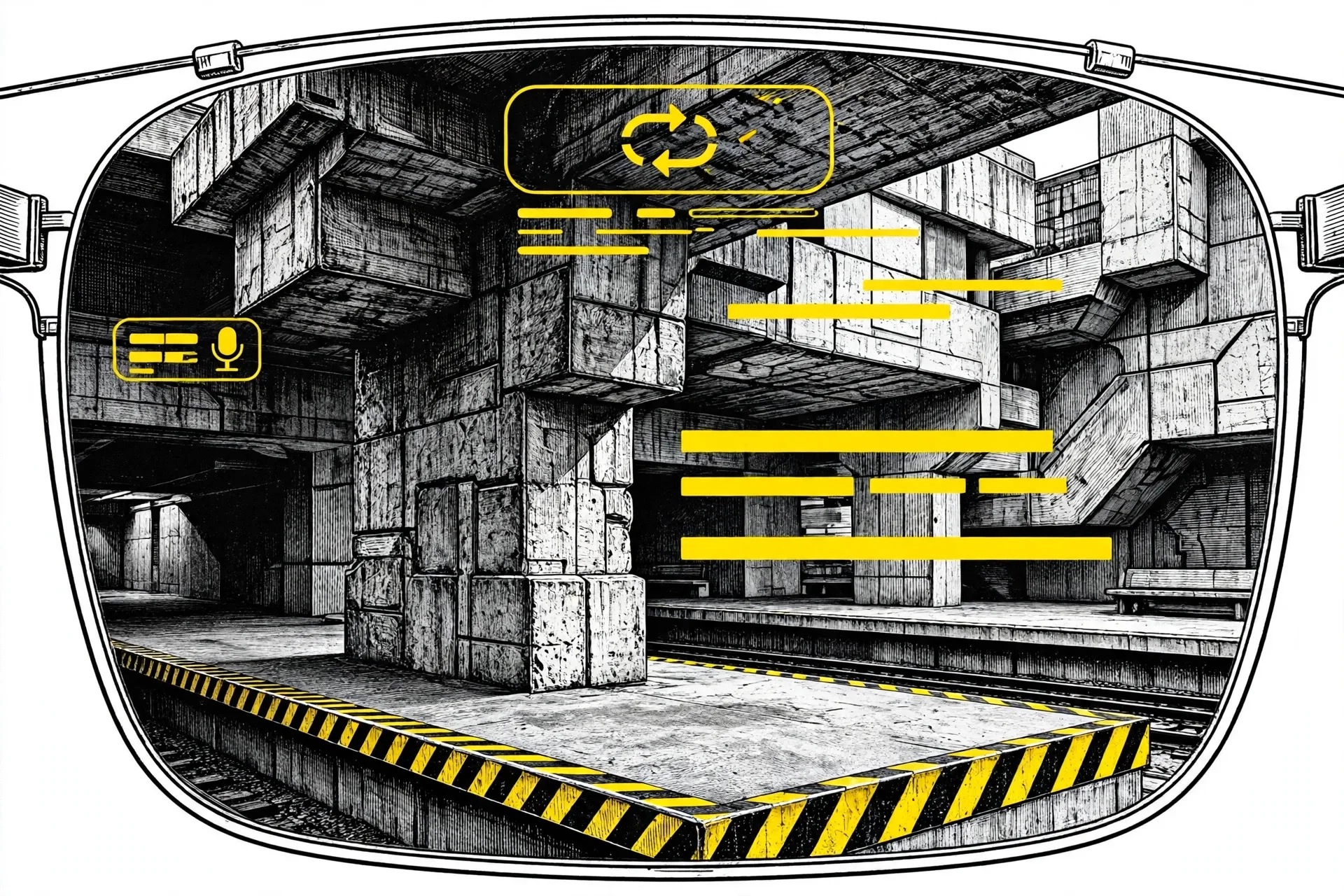
Start with the display, because it is the part that barely moved. A single green microLED waveguide, 480 by 380, a 25 degree field of view, 1,500 nits at peak. Those are close to the first model’s numbers, and the first model’s screen was the piece that kept earning praise in published testing, particularly outdoors, where a dim display would have been found out quickly. Rokid seems to have decided there was nothing to fix. The glass in front of it is new, though. The company says the lenses on this model are 70 percent less reflective than the ones before, which would help in bright rooms and on trains. It is a company claim, and until a reviewer measures it, a claim is all it is.
The frame had more work done. It is a rounded square shape now, the temples open 22 percent wider than the first model’s did, and the nose pads were reshaped so they leave fewer marks after a long day, according to the launch reporting. Water resistance is still IPX4, so rain is fine and a sink is not. Prescription wearers still get magnetic inserts that clip on over the display.
Specifications
- Product
- Rokid Glasses 2
- Maker
- Rokid, Hangzhou, China
- Display
- Single green microLED waveguide, 480 by 380, 25 degree field of view, 1,500 nits peak brightness
- Processors
- Qualcomm Snapdragon AR1+ Gen 1 plus BES2800BP, with Android and a light real time system splitting work by power need
- Memory
- 2GB RAM and 32GB storage, unchanged from the first model
- Camera
- 12MP, video at 4K and 30 frames per second, 2K at 60, and 1080p at 60
- Audio
- Speakers with Dolby Audio, four omnidirectional microphones plus one bone conduction microphone
- Battery
- 263mAh, up from 210mAh in the first model
- Connectivity
- WiFi 7 and Bluetooth 5.3
- Water resistance
- IPX4
- Colours
- Black and tortoiseshell, with magnetic clip on prescription lenses
- Price in China
- CNY 3,699 black and CNY 3,849 tortoiseshell, with national subsidy prices of CNY 3,199 and CNY 3,349 in Chinese reporting
- Availability
- Shipping in China from November 11, 2026; global versions set for a CES 2027 debut, with no global price yet
On device AI is the phrase attached to this product, and it deserves a careful read, because the dual chip design underneath it is real even if the phrase is doing some marketing work of its own. The Snapdragon chip runs Android and takes the heavy jobs. The BES chip runs a light real time system and takes the small ones, sipping power while it does. That division is the sensible way to build glasses. The big chip does not need to wake up every time a caption scrolls past, and the battery does not pay for power the task never needed.
What it does not establish is where the AI answers themselves are computed. Launch reporting lists live translation, visual identification and meeting transcription, plus support for desktop agents including Hermes, Codex, OpenClaw, Qoder, WorkBuddy and OpenCode. Rokid claims call translation across 89 languages, with voice cloning, and meeting notes that arrive as summaries with task lists attached. Which of that runs on the glasses, which runs on a phone in your pocket, and which runs in a data centre somewhere is not spelled out in the launch material this review checked. Read the dual chip story as a power story. It is not, on the evidence published so far, a privacy story.
Pricing is the easy part. CNY 3,699 works out to about $555 in the launch coverage, which puts Glasses 2 a full CNY 1,300 below Rokid Color and below what the first Rokid Glasses cost globally; the company store showed that model at $629 when this review was being put together. There is also a new charging case, the Power Capsule 2, sold on its own at CNY 599 in Chinese reporting and good for about six charges of the glasses, per Notebookcheck.
| Item | Price | Notes |
|---|---|---|
| Rokid Glasses 2, black | CNY 3,699 | CNY 3,199 after the national subsidy in Chinese reporting |
| Rokid Glasses 2, tortoiseshell | CNY 3,849 | CNY 3,349 after the national subsidy in Chinese reporting |
| Power Capsule 2 | CNY 599 | Sold apart; about six charges of the glasses, per launch reporting |
| Rokid Color | CNY 4,999 | Full color display in both lenses; ships from April 2027 |
Battery capacity in mAh, first model against Glasses 2
Capacity from launch reporting checked November 14, 2026. Rokid describes the rise as 25 percent. No battery life figure in hours was published for Glasses 2 in the material checked.
Real World Experience
Two disclosures before anything else in this section. Dirty Static has not tested Rokid Glasses 2. Nobody outside the launch coverage appears to have tested it either, because no independent review of the shipping model turned up in the sources checked on November 14, 2026. What follows is built from launch reporting by Notebookcheck, Wareable and The Gadgeteer, from first model material on Rokid’s global store, and from published testing of the first model, with company claims labelled as claims along the way.
The everyday case for glasses like these is not hard to imagine, and honestly it does not need much imagination, because the first model already demonstrated the useful parts. Translation arriving in your field of view while someone speaks to you in a station or a shop is a different experience from fishing a phone out of a pocket, and it is the experience this category keeps promising and only sometimes delivers. Meeting notes that end as a written summary, with the task list already pulled out, save the sort of time that never shows up in a keynote. And a camera that records in 4K instead of the first model’s lower resolutions gives the life logging idea better raw material to work with.
Against that, the questions the first model left behind are still sitting there. Its software was buggy, said the reviewers who tested it, and its sound was shallow. Glasses 2 has an answer on paper for the sound, in Dolby Audio speakers and a bone conduction microphone that is meant to keep your voice clear when the wind picks up. For the software there is no answer yet, because there cannot be one on launch week. Faster chips make a slow interface feel quick. Nothing about a chip tells you whether the vendor went back and fixed the bugs people complained about, and that only shows up when reviewers live with the shipping build for a few weeks.
Battery is the other unresolved item, and Rokid has made it harder to resolve than it needed to be. The cell grew by a quarter, from 210mAh to 263mAh. What the company has not published, at least in the launch material checked for this review, is a mixed use figure in hours. The first model claimed up to six hours on the global store. A bigger battery sounds like more time, except that it is now feeding a faster chip and a camera recording at 4K, and those two can eat the gain between them. Anyone who gives you a battery verdict on Glasses 2 today is guessing.

What Works
Look at where the money went. Sound, battery and camera were the weak or ordinary parts of the first model, and those are the three that moved. The display, which was the strong part, was left alone. It sounds like an obvious way to build a second version of anything, and yet the industry is full of sequels that chase a headline feature and ship last year’s flaws along with it.
The division of work between the two chips also suits what glasses are actually for. A pair of glasses that tries to behave like a phone all day, sitting on your face, will lose on heat and battery before lunch. Letting a light system carry captions and prompts while the strong chip sleeps, then waking it for video and harder questions, at least gives Glasses 2 a plausible route to feeling quick without feeling hot. Plausible is the right word. Hours and heat are measurements, and the measurements do not exist yet.
And then there is the price, which in China is simply respectful of the buyer. A display, a camera, two chips and Dolby Audio for CNY 3,699, dropping toward CNY 3,199 with the national subsidy, undercuts color rivals by a distance. Rokid held a 32 percent unit share of the China AI glasses market in the first quarter of 2026, according to Nielsen data cited in the launch coverage. Pricing like this is what defending a lead looks like.
What Does Not
The map is the first problem, and for most readers of this review it is the whole problem. Outside China, the model covered here cannot be bought today at any price. Wareable reported that Rokid has confirmed global versions of Glasses 2 and Color, set to debut at CES 2027. A debut is a stage appearance, not a ship date, and prices in yuan have a habit of growing on the flight west. The first model needed about nine months to make the same trip.
Some parts did not move at all. Memory is still 2GB and storage is still 32GB, identical to a model from 2024. The display is unchanged too, and there is a wrinkle there: green text read as fresh two years ago, while the same company is now preparing a full color model for April. Anyone whose interest in glasses starts with previewing photos, taking video calls or playing with graphics inside the lens is looking at the wrong product, and should be waiting for Color and its extra CNY 1,300 instead.
The launch rhetoric deserves a mention as well. Zhu Mingming told the launch audience that the industry has reached its iPhone moment, as the event coverage reported it. One strong model selling in one market is a good quarter. It is not a moment. Glasses still ask people to walk around with a camera on their face, to accept a narrow field of view, and to put up with software that even the category’s fans describe as young. Better hardware answers part of that. The social part it leaves alone.
Competition
Display glasses have sorted themselves into three broad camps by now. Green text models sell readability and battery. Color models sell pictures and video, and charge for the privilege. Then there are the camera glasses with no display at all, which sell capture and low prices. Glasses 2 belongs to the first camp, though its China price lets it argue with all three.
| Glasses | Price | Display | Camera | Status |
|---|---|---|---|---|
| Rokid Glasses 2 | CNY 3,699 in China | Green, 480 by 380, 1,500 nits | 12MP, 4K video | Shipping in China from November 11, 2026 |
| Rokid Glasses, first model | $629 on the company global store | Green, both lenses in global spec listings | 12MP | On sale globally; up to six hours mixed use claimed |
| Rokid Color | CNY 4,999 in China | Full color, 500 by 380, 1,000 nits, 55 grams | Not set out in launch checks | Ships from April 2027 |
| Meta Ray-Ban Display | $799 | Color, 600 by 600, right eye | 12MP, 3K video | On sale; about 69 grams, up to six hours claimed |
| Brilliant Labs Halo | $399 | Color, 640 by 400, right eye | AI sensor only, no photo camera | On sale; just over 40 grams, up to 14 hours claimed |
Meta is the name most buyers will bring into this comparison, and the difference between the two offers is not subtle. Ray-Ban Display gives you a color screen and the Meta brand for $799, in a heavier frame. Glasses 2 gives you green text, a longer list of work tools and a much lower price, provided you are shopping in China, because if you are not, you are not shopping at all yet. Readers working through that choice may also want our Brilliant Labs Halo smart glasses review and our Samsung intelligent eyewear coverage, which show how this site treats small screens carrying large claims.
Inside Rokid’s own lineup the decision is cleaner. If color is the reason you are buying glasses, Color is the product, from April, for CNY 1,300 more. If the reasons are translation, captions and notes, then a green screen is not the compromise in this design. It is the mechanism that makes the battery size and the price possible.
Final Verdict
For a buyer in China whose week involves travel, meetings or work that crosses languages, and who would genuinely use translation, captions and meeting notes rather than admire them in a feature list, Glasses 2 is an easy recommendation to understand. The hardware list is strong at CNY 3,699, the frame and audio work is aimed at complaints owners of the first model actually made, and the subsidy price lowers the risk further. Use the return window to push on the software, because that is the part of this product no spec sheet can vouch for.
Everyone else should wait, and the reasons are mundane rather than dramatic. A CES 2027 debut is not a release. There is no global price. There is no independent test of the model people can buy. And if what you want is color in the lens, Rokid itself will sell you that in April and charge CNY 1,300 more for it, which at least tells you the company knows exactly what the green display is worth.
Keeping that display was the right call for a work tool. Whether the rest of Glasses 2 is as good as its specifications will be decided the slow way, on real faces, over real weeks, by people who did not attend the launch.
Sources
- Notebookcheck: Rokid Glasses 2 launch with upgraded design, bigger battery, and Dolby Audio support
- Wareable: Rokid debuts second generation smart glasses and a full color Meta rival
- The Gadgeteer: Rokid’s Two New AI Glasses Take Very Different Approaches
- Rokid global store: Rokid Glasses (With Display)
- Pickr: Rokid Glasses review, first model testing
- Images: Hero and body images are generated Dirty Static house style illustrations.
END OF TRANSMISSION
Stay curious. Question everything.