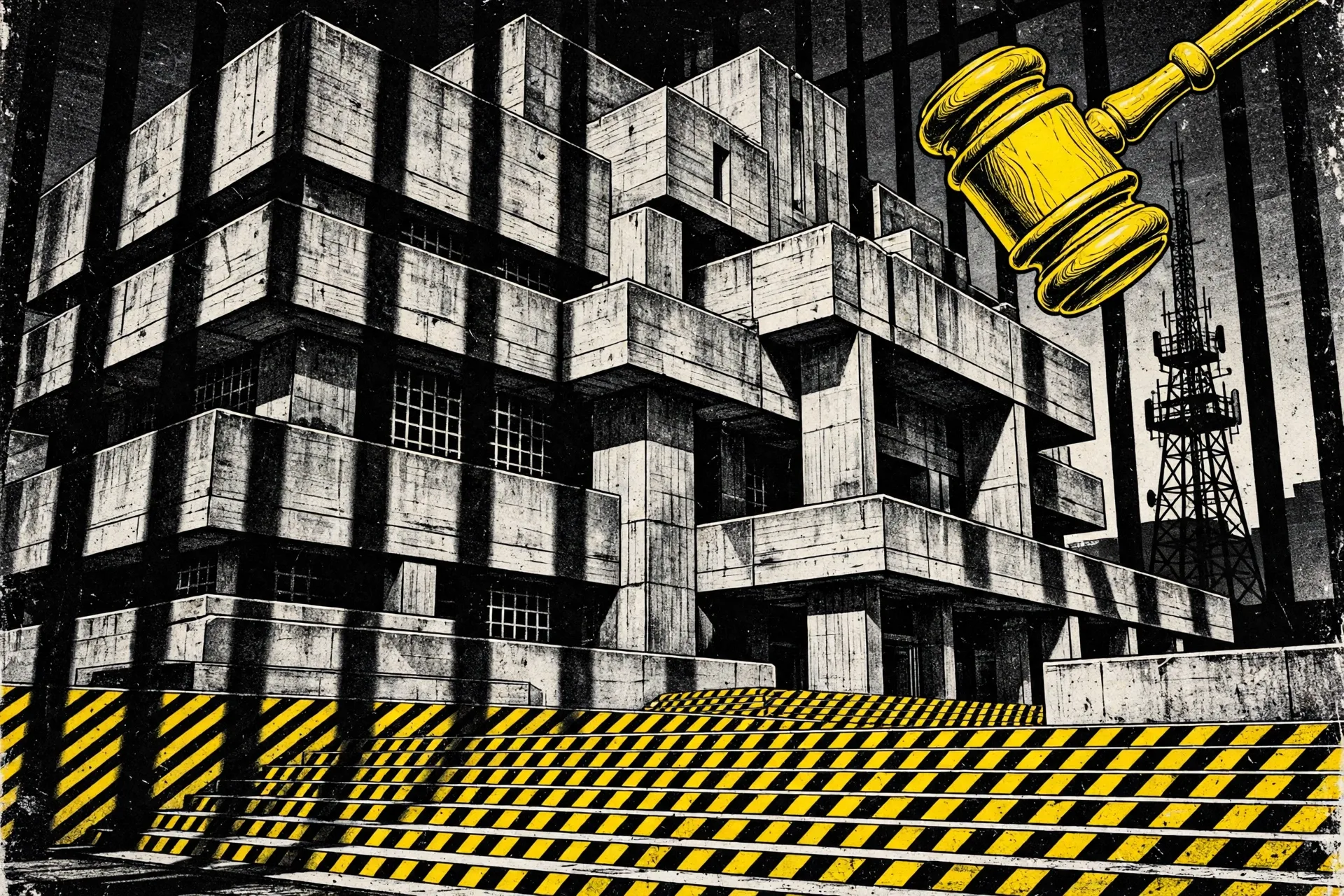
A jury in Brooklyn federal court found Huawei guilty on 10 of the 12 criminal counts it faced on Tuesday, November 24. The convictions cover bank fraud, wire fraud, sanctions violations and conspiring to steal trade secrets. The jury cleared the company of the two counts prosecutors cared about most in public: racketeering conspiracy and conspiracy to obstruct justice.
That split is the story. Jurors accepted that Huawei broke the law for years. They did not accept that the company itself was a criminal enterprise, which was the framing the racketeering count needed.
The Announcement
The Justice Department said the defendants convicted were Huawei Technologies Co. Ltd. and three subsidiaries: Huawei Device Co. Ltd., Futurewei Technologies Inc. and Huawei Device USA Inc. Its list of convictions runs to conspiracy to steal trade secrets, conspiracy to commit wire fraud and bank fraud, wire fraud, bank fraud, conspiracy to defraud the United States, conspiracy to violate the International Emergency Economic Powers Act, substantive violations of that act, and money laundering conspiracy.
Attorney General Todd Blanche said in the department release that no person or company is above the law. US Attorney Joseph Nocella called the verdict a step toward accountability and described what he called a pattern spanning decades.
The trial itself was long. Reuters reported that it lasted more than two months, with prosecutors calling more than 60 witnesses and the defence calling 15. Other coverage put the full run at about three months, or 11 to 12 weeks in court.
Important Details
The case began in 2018. The United States placed Huawei on a trade blacklist in 2019, restricting its access to US technology over national security concerns. Prosecutors added trade secret charges in 2020, alleging theft from US companies over two decades.
| Part of the case | What the jury heard |
|---|---|
| Iran business | Huawei misled banks including HSBC, Standard Chartered and BNP Paribas about its dealings in Iran, moving dollars in and out in violation of US sanctions |
| Cisco | Prosecutors said Huawei stole source code for Cisco routers |
| T-Mobile | Jurors saw video that prosecutors said showed a Huawei employee slipping part of a phone testing robot called Tappy into his backpack |
| Quintel and CNEX | Prosecutors alleged stolen antenna technology from Quintel and access to a CNEX circuit board through a hired professor |
| Fujitsu | Prosecutors described a Huawei engineer photographing a device inside a Fujitsu booth at a trade show |
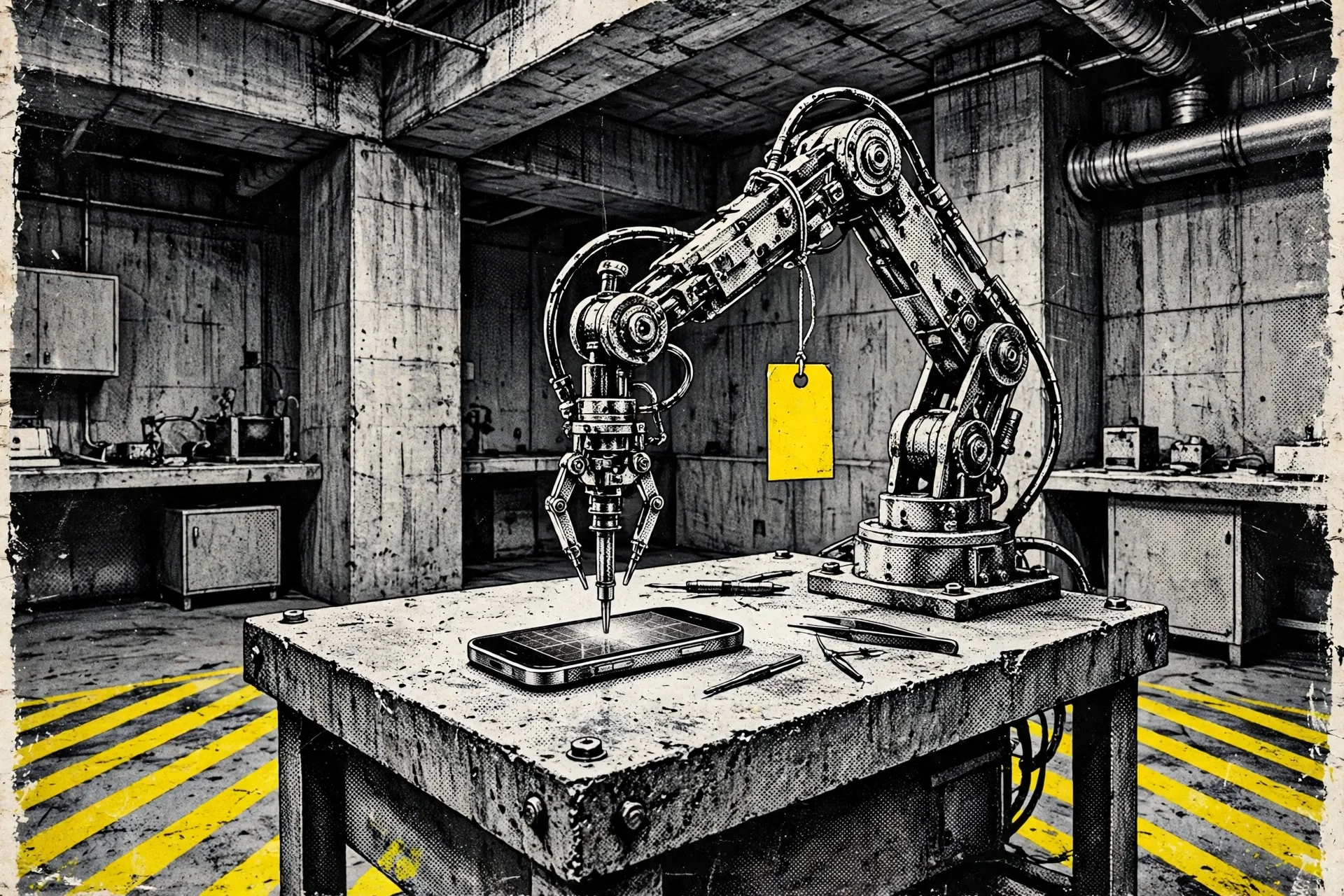 The Tappy robot became the most visual part of the prosecution case. Illustration: Dirty Static
The Iran strand reaches back further. In December 2018, Huawei finance chief Meng Wanzhou was detained in Canada on a US warrant, setting off a diplomatic crisis among the United States, China and Canada. She fought extradition for nearly three years, then entered a deferred prosecution agreement and flew home. The charges against her were dropped, and she did not testify at this trial. A statement attached to her agreement, in which she acknowledged the company conducted business in Iran illegally, was given to jurors.
The defence argued the banks knew about the Iran business and competed for Huawei work anyway. Lead defence lawyer Brian Heberlig accused prosecutors of picking a handful of separate incidents to build a 20 year conspiracy, and said Huawei succeeded through hard work, innovation and investment in research and development.
What Huawei Says
Huawei said the charges on which it was convicted lacked legal merit, in a statement reported by Reuters. Heberlig said the company was disappointed by the convictions and expects to appeal. He argued the convictions came from isolated misconduct by employees, which he said a company of hundreds of thousands cannot prevent entirely.
He also treated the racketeering acquittal as the verdict inside the verdict. He said it rejected the government claim that Huawei was a criminal enterprise from top to bottom, and that it could make a significant difference to the penalties.
Both readings can be true at once. Ten convictions is a heavy loss. Losing the racketeering count would have been heavier, because that count carried the claim that the whole company was the crime.
What’s Next
One date is confirmed. US District Judge Ann Donnelly set sentencing for September 14, 2027. The Justice Department says the defendants face financial penalties including criminal fines, forfeiture and restitution. No amount has been announced, and Heberlig said it was premature to say what Huawei might pay.
The appeal is expected but not yet filed. Heberlig said Huawei would go through sentencing first, so the legal fight runs well into 2027 and likely beyond.
What stays open is the practical effect. Experts cited by Reuters said the case did not undermine Huawei business, as the company diversified and became a key player in China push for artificial intelligence. The conviction gives Washington a courtroom verdict to point at, after years of warnings that rested on intelligence claims the public could not test. Whether other governments treat that verdict as new evidence, or as old politics with a jury stamp, is the unanswered question.
Facts checked November 27, 2026.
Sources
- US Department of Justice release, November 24, 2026, on the convictions of Huawei and three subsidiaries, via coverage of the release: TSN Media summary of the Justice Department release
- Reuters, via BusinessWorld: China’s Huawei convicted in sprawling US criminal trial over Iran business
- Strategic Narratives: Huawei on trial, the verdict
- Body image: generated illustration in the Dirty Static house style
END OF TRANSMISSION
Stay curious. Question everything.