
At Android Dev Summit, Google made Android Studio Rabbit 2 stable with Bring Your Own Agent, opening the IDE to more than 40 outside coding agents through the open Agent Client Protocol. The same push turned the Android CLI into an official plugin for Claude Code and Codex, with remote devices, terminal Compose previews, and profiling built for agents working outside the IDE.
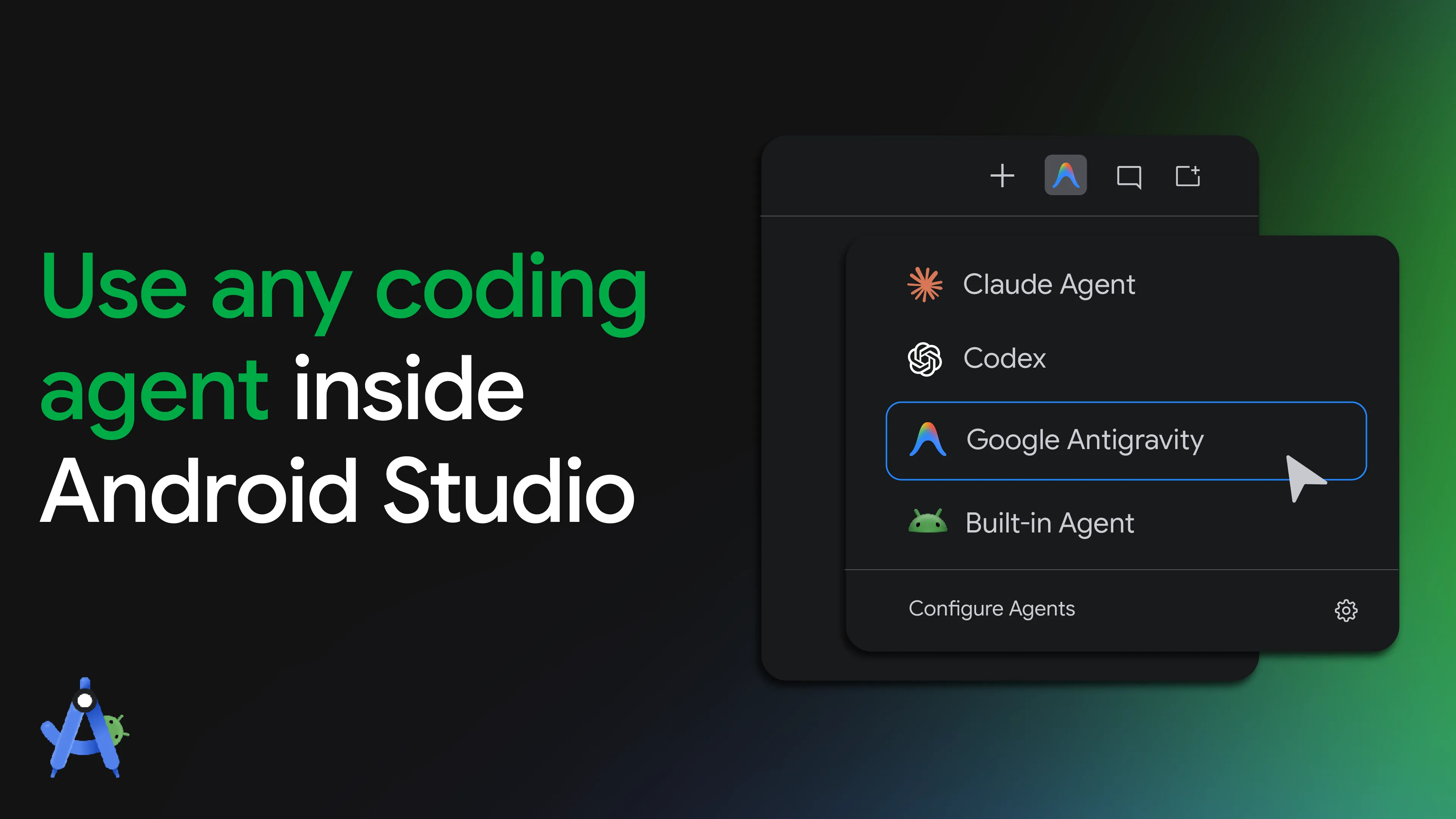
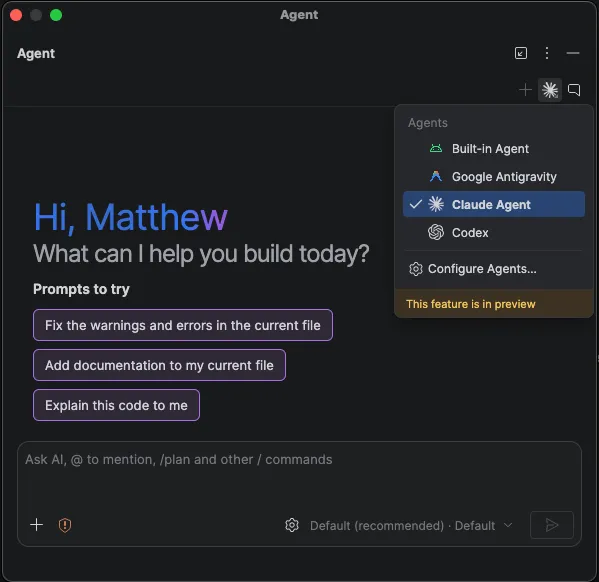
Google has opened its own IDE to its rivals. Android Studio Rabbit 2 is now stable, and its headline feature, Bring Your Own Agent, lets developers run more than 40 outside coding agents directly inside Android Studio. The named guests tell the story on their own: Claude Agent from Anthropic, Codex from OpenAI, Junie, and Google Antigravity, all sitting in the same agent window.
The Announcement
Google announced the release at Android Dev Summit on October 28, in two posts on the Android Developers Blog. The summit post puts the pitch plainly: with new models and agents arriving constantly, developers told Google they want the freedom to pick the ones that suit their work. Rabbit 2 is the answer, and Google says the release is ready for production use.
The plumbing is the Agent Client Protocol, shortened to ACP. Android Studio speaks the protocol, and any agent that complies with it can plug in. That single decision is how the count passes 40 without Google building a custom bridge for every vendor. To start, a developer opens the agent window or goes to Settings, then Tools, then AI, then Agents, authenticates with the chosen agent, and sends a first prompt. Each agent still runs on its own provider plan and its own terms, a point worth remembering before any team standardises on one.
Once connected, an agent gets more than a chat box. Google says connected agents can use Android Studio tools including the Android Emulator, build systems, and Logcat, and can draw on Android skills to complete complex tasks. Google lists project structure, build configuration, Compose Preview rendering, and symbol resolution among what a connected agent can draw on, which means the agent works with the IDE view of the codebase rather than a pile of loose files.
Important Details
Rabbit 2 carries more than the agent host. A new Change Review feature starts from pending agent changes, pending commits, or the Git log, flags what Google calls recommended fixes, and can then build a guided walkthrough that groups related diff chunks into themes instead of forcing a reader through files in alphabetical order. A skills manager inside the IDE lets developers discover, install, and invoke Android skills, with examples Google names such as migrating legacy XML Views to Jetpack Compose and upgrading to AGP 9.
| Item | Detail |
|---|---|
| Release | Android Studio Rabbit 2, now stable |
| Headline feature | Bring Your Own Agent |
| Agents supported | More than 40 that comply with ACP |
| Named agents | Claude Agent, Codex, Junie, Google Antigravity |
| IDE tools agents can use | Emulator, build systems, Logcat, Android skills |
| Android skills included | More than 30 skills across more than 20 areas |
| CLI plugins launched | Claude Code and Codex, with an updated Antigravity plugin |
| Announced | October 28, 2026, at Android Dev Summit |
The second half of the announcement leaves the IDE entirely. The Android CLI now installs as an official plugin for Claude Code and Codex, and the existing Antigravity plugin has been updated with the latest CLI capabilities. Google describes the CLI as working in any terminal, with any agent harness, and in CI pipelines, so agents can build, run, and debug Android apps without a person keeping the IDE open.
The CLI additions are aimed at verification, the part of agent work that usually breaks down. Agents can stream real devices from Google labs, powered by Firebase, and test on physical hardware remotely. They can render Jetpack Compose previews in the terminal and check a screen without booting an emulator or deploying an APK. Profiling captures Perfetto system traces to chase cold startup latency, UI jank, and background wakeups, and an analyze command checks app bundles and libraries with the same logic Google Play uses before upload, according to Google.
Google also put numbers on the pitch, and they should be read as Google numbers. In internal testing the company cites, agents using the terminal preview command finished UI tasks 77 percent faster while using up to three times fewer tokens. A separate test on memory leak work with LeakCanary ran nearly twice as fast with about 25 percent fewer tokens. Google has not published the task sets behind those figures, so they show direction rather than proof. An agent that renders a preview instead of booting an emulator should waste fewer turns, but each team will need to measure the gain on its own app.
What Is Next
The confirmed part is simple: Rabbit 2 is stable and downloadable now, the marketplace inside the IDE is live, and the CLI plugins for Claude Code and Codex have launched. A developer can pick an agent today, authenticate, and put it to work on a real project with the emulator and Logcat within reach.
The open questions sit one layer down. Pricing and usage limits follow each agent provider, not Google, so the real cost of this freedom lands on whatever plan a team already holds. Data terms follow the provider too: the strict privacy guarantees Google lists in the Rabbit 2 post are written for Gemini Enterprise, and the post does not extend them to outside agents. Teams with enterprise agreements will want to check what their chosen agent retains before they connect it to a private codebase.
What to watch is whether ACP holds as the standard plug as more agents arrive, and whether Google keeps the door this open once its own Antigravity agent competes inside the same window. For now the move is unusually clean. Google built the room, published the plug, and invited everyone in, including the two rivals most likely to take its developers elsewhere.
Sources
- Android Developers Blog: Agentic and Flexible: A next era of Android development
- Android Developers Blog: Your favorite agents are now integrated in Android Studio
- DEV Community: Android Studio Now Runs Claude and Codex Through ACP
- Screenshots: Google
END OF TRANSMISSION
Stay curious. Question everything.